
As the vibrant colors of autumn begin to paint the Hudson Valley and Red Hook residents prepare for cooler weather, it's the perfect time to ensure your home's security measures are ready for the season ahead. Fall presents unique challenges for home security, from increased darkness during evening hours to the approach of the holiday season when package theft rises. This comprehensive checklist will help you address potential vulnerabilities and ensure your locks and security systems are functioning optimally before winter arrives.
Inspect All Door Locks and Deadbolts
The changing temperatures of fall can affect your door locks in ways you might not expect. As Red Hook experiences its first cold snaps, metal components in locks contract, and wooden doors shift, potentially creating gaps or misalignments.
Start by testing every exterior door lock in your home. Turn each key slowly and pay attention to any sticking, grinding, or unusual resistance. Deadbolts should slide smoothly into their strike plates without forcing. If you notice any difficulty, this could indicate several issues:
- Moisture damage from summer humidity affecting internal mechanisms
- Misaligned strike plates due to door settling
- Worn tumblers that need replacement
- Dirt and debris accumulation inside the lock cylinder
- Corroded components from exposure to elements
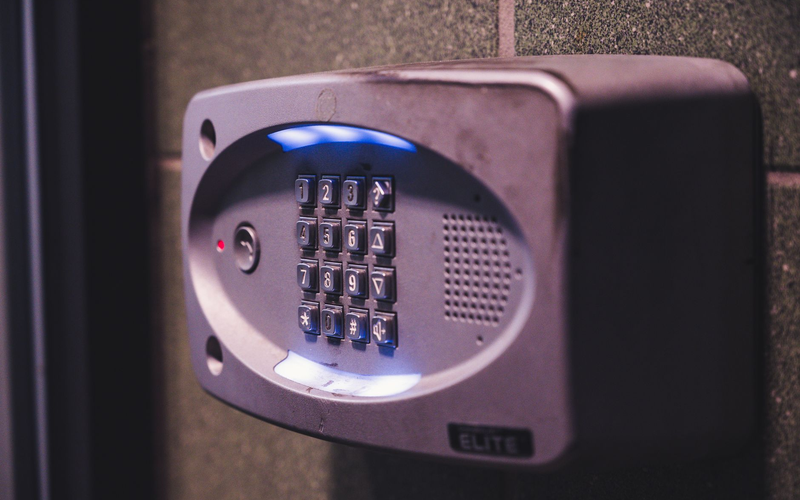
Lubricate Lock Mechanisms for Winter
Proper lubrication is essential for maintaining lock function through Red Hook's cold winters. However, using the wrong lubricant can cause more harm than good. Many homeowners make the mistake of using WD-40 or other petroleum-based products that can gum up lock internals.
Instead, use a graphite-based lubricant or a specialized lock lubricant like Teflon spray. Apply a small amount directly into the keyway, then insert and remove your key several times to distribute the lubricant throughout the mechanism. This simple maintenance task can prevent frozen locks during those bitter January mornings.
For deadbolts, lubricate both the bolt mechanism and the turning cylinder. Apply lubricant to the bolt itself and work it back and forth several times. This preparation is particularly important for exterior locks on detached garages, sheds, and outbuildings that face full weather exposure.
Replace Worn or Damaged Keys
Fall is an excellent time to assess the condition of your house keys. Worn keys become increasingly problematic in cold weather when metal becomes more brittle. Examine each key for these warning signs:
- Visible wear patterns on the teeth
- Bending or warping of the key blade
- Difficulty turning in the lock
- Inconsistent operation (works sometimes but not others)
- Chips or breaks in the key teeth
Upgrade to High-Security Locks
As we approach the holiday season, when break-ins typically increase, consider whether your current locks provide adequate protection. Standard builder-grade locks offer minimal security and can often be picked or bumped open in seconds by experienced burglars.
High-security locks feature:
- Reinforced strike plates and longer bolts
- Pick-resistant pin configurations
- Drill-resistant components
- Key control systems that prevent unauthorized duplication
- Higher ANSI grades (Grade 1 being the highest)
Check Window Locks and Latches
Windows are often overlooked in fall security preparations, yet they represent vulnerable entry points, especially as you close windows for the season and may not open them again until spring. Test every window lock in your home, paying special attention to first-floor and basement windows.
Many older homes in Red Hook feature original window hardware that may have weakened over decades of use. Look for:
- Loose or wobbly latches
- Cracked or broken locking mechanisms
- Windows that don't close flush with the frame
- Missing or damaged sash locks
- Painted-over locks that don't function properly
Secure Sliding Doors
Sliding glass doors present unique security challenges. Their design makes them attractive to burglars because they can often be lifted off tracks or forced open with minimal effort. Before winter, take steps to reinforce these potential weak points.
Install a security bar or charley bar in the sliding door track. This simple device prevents the door from opening even if the lock is compromised. For additional security, install anti-lift devices—small blocks or screws in the upper track that prevent the door from being lifted out of the lower track.
Check the condition of your sliding door lock. Many stock locks are flimsy and provide minimal resistance to forced entry. Consider upgrading to a more robust locking mechanism or adding a secondary lock higher on the door frame. Ensure the stationary panel is properly secured with screws through the frame to prevent it from being dislodged.
Review and Update Access Control
Fall is an ideal time to audit who has access to your home. Throughout the spring and summer, you may have given keys to contractors, house sitters, pet sitters, or seasonal workers. Now that those services have concluded, it's important to account for all distributed keys.
Create a list of everyone who has a key to your home:
- Family members and trusted relatives
- Current service providers (housekeepers, dog walkers)
- Former service providers who may still have keys
- Neighbors who held emergency keys
- Previous homeowners or tenants (if recently purchased or rented)
Install Smart Lock Technology
Smart locks have evolved significantly in recent years, offering Red Hook homeowners enhanced security and convenience. Fall presents an opportune time to upgrade to smart lock technology before the busy holiday season.
Modern smart locks provide numerous advantages:
- Keyless entry using codes, smartphones, or biometrics
- Remote locking and unlocking capabilities
- Activity logs showing who entered and when
- Temporary access codes for guests or service providers
- Integration with home automation systems
- Automatic locking features to prevent forgotten unlocked doors
When selecting smart locks, ensure they meet these criteria:
- Battery backup to function during power outages
- Physical key override option
- Weather-resistant construction for exterior use
- Encrypted communication to prevent hacking
- Easy battery replacement procedures
Prepare for Shorter Days and Earlier Darkness
As daylight saving time ends in November, Red Hook residents face significantly earlier sunsets. This extended darkness creates favorable conditions for burglars who prefer to work under cover of night. Address this seasonal challenge by enhancing your exterior lighting and integrating it with your lock and security strategy.
Install motion-activated lights near all entry points, including:
- Front and back doors
- Garage entrances
- Side gates and fence entrances
- Basement stairwells
- Driveway and walkway areas
Consider smart lighting systems that can be programmed to simulate occupancy when you're away. Lights that turn on and off at varying times create the impression someone is home, even during extended absences. This technique becomes particularly valuable during the holiday season when many families travel.
Inspect and Reinforce Door Frames
Even the strongest deadbolt provides minimal security if installed in a weak door frame. During fall home maintenance, examine your door frames for vulnerabilities that could allow forced entry.
Check these critical areas:
- Strike plate installation and screw length
- Door frame integrity and signs of rot or damage
- Gap between door and frame when closed
- Hinge security and placement
- Door material and thickness
For hollow-core doors, which are common in older homes, consider replacing them with solid-core or metal doors. Hollow-core doors can be kicked in relatively easily, rendering even high-quality locks ineffective. This upgrade significantly improves security at all entry points.
Service Garage Door Locks and Openers
Garage doors represent a frequently overlooked security vulnerability. Many Red Hook homeowners focus on their main entry doors while neglecting the garage, which often provides direct access to the home's interior.
Test your garage door opener's security features:
- Verify the opener uses rolling code technology, which generates a new access code with each use, preventing code grabbing by thieves
- Change default access codes on keypads
- Check that the emergency release cannot be accessed from outside
- Test the auto-reverse safety feature
- Ensure the door closes completely and locks properly
Create an Emergency Lockout Plan
Before winter weather arrives, establish a plan for lockout situations. Being locked out during a Red Hook snowstorm or in freezing temperatures can be dangerous, so preparation is essential.
Develop a comprehensive lockout strategy:
- Store a spare key with a trusted neighbor or nearby family member
- Install a high-quality lockbox in a discreet location (avoid obvious spots like under doormats or fake rocks)
- Program your locksmith's number into your phone contacts
- Keep a spare car key in a magnetic hide-a-key on your vehicle
- Ensure all family members know the emergency procedure
- Under welcome mats or nearby rocks
- Above door frames
- In mailboxes
- Under flower pots
- Inside fake sprinkler heads or garden decorations
Evaluate Basement and Cellar Security
Basement entrances often provide the easiest access for burglars, particularly in older Red Hook homes with exterior cellar doors. These entry points typically have older, weaker locks and may be partially hidden from street view.
Inspect basement security thoroughly:
- Test all locks on basement windows and ensure they function properly
- Check cellar door hinges and locking mechanisms
- Verify that window wells don't provide easy concealment for intruders
- Consider installing window well covers with locks
- Add security bars to basement windows if appropriate for your home's style
Schedule Professional Lock Assessment
While many locksmith maintenance tasks can be completed independently, a professional assessment provides valuable insights you might miss. Professional locksmiths identify vulnerabilities based on years of experience with both security systems and break-in methods.
A comprehensive professional lock assessment includes:
- Evaluation of all entry point security
- Testing of lock functionality and strength
- Recommendations for upgrades based on your specific needs
- Installation quality assessment
- Security gap identification
- Master key system planning if needed
Prepare for Holiday Package Deliveries
The holiday shopping season brings increased package deliveries, creating new security considerations. Package theft peaks during November and December, making fall preparation essential.
Implement these package protection strategies:
- Install a secure package drop box or parcel locker
- Set up delivery notifications for real-time tracking
- Request signature confirmation for valuable items
- Install a video doorbell to monitor deliveries
- Arrange package holds or alternative delivery locations when traveling
- Consider a smart lock system that allows delivery inside a garage or mudroom
Document Your Security System
As you complete your fall locksmith checklist, document your home's security configuration. This information proves invaluable during emergencies, when selling your home, or for insurance purposes.
Create a comprehensive security document including:
- List of all locks with brand, model, and installation date
- Key identification and numbering system
- Smart lock access codes and user assignments
- Locksmith contact information
- Security system details and monitoring service
- Photos of all locks and entry points
- Warranty and service records
- List of everyone with keys or access codes
Conclusion: Secure Your Red Hook Home This Fall
Taking time this fall to complete a comprehensive locksmith checklist protects your Red Hook home throughout the winter months and beyond. From inspecting existing locks to upgrading to smart technology, these preventive measures significantly enhance your home's security while preventing lockouts and emergency situations during harsh weather.
Don't wait until you're facing a frozen lock on a January morning or dealing with a break-in to address security vulnerabilities. The relatively small investment of time and resources now pays dividends in safety, convenience, and peace of mind throughout the year.
Whether you need a professional lock assessment, rekeying services, high-security lock installation, or emergency lockout assistance, Red Hook NY Locksmith is here to help. Our experienced team understands the unique security needs of Hudson Valley homes and provides expert service for all your locksmith needs. Contact us today to schedule your fall security assessment and ensure your home is properly protected for the season ahead.